logo

다이아몬드와 CBN 산업 도구의 세계로 오신 것을 환영합니다.

뉴스

Bond Type vs Bond Hardness: Resin, Metal and Vitrified Bond Systems in Diamond Grinding Wheels

제가 지금 온라인 채팅 해요
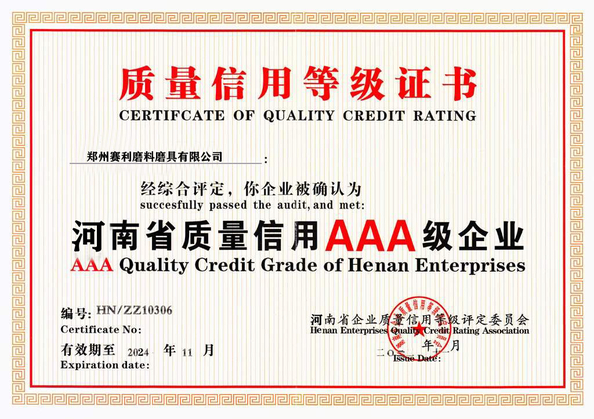
중국 ZHENGZHOU SHINE ABRASIVES CO.,LTD 인증
당신들이 만든 바퀴는 아주 좋고, 바퀴 부러지는 바퀴는 완벽합니다.

—— 캐나다 에서 온 프랭크 로젠

회사 뉴스
Bond Type vs Bond Hardness: Resin, Metal and Vitrified Bond Systems in Diamond Grinding Wheels
에 대한 최신 회사 뉴스 Bond Type vs Bond Hardness: Resin, Metal and Vitrified Bond Systems in Diamond Grinding Wheels

Bond Type vs Bond Hardness: Two Different Concepts Every Grinding Wheel Buyer Should Know

When selecting diamond grinding wheels, buyers often ask whether a "resin bond" wheel is softer or harder than a "metal bond" wheel. The honest answer is that this question cannot be answered by the bond name alone, because bond type and bond hardness are two different concepts that should never be confused.

What Is Bond Type?

Bond type describes the bond system adopted by a grinding wheel to hold abrasive grains in place. The most common systems include:

  • Resin bond - an organic matrix offering good shock resistance, self-dressing ability and broad versatility across workpiece materials.
  • Metal bond - a metallic matrix providing very strong grain retention, ideal for heavy stock removal and long wheel life.
  • Ceramic (vitrified) bond - a glass-like matrix offering high rigidity, excellent form holding and controllable porosity.

Each bond system has its own characteristics in mechanical strength, thermal resistance and dressing behavior. However, none of these systems alone determines the final hardness performance of a wheel in a specific application.

What Is Bond Hardness?

Bond hardness reflects the ability of the bond system to retain abrasive grains and the working face renewal characteristics of the wheel. In practical terms, it determines:

  • How firmly each abrasive grain is anchored during the grinding process;
  • How quickly worn grains are shed so that fresh cutting edges are exposed, commonly known as self-sharpening;
  • How the wheel responds to different grinding pressures, workpiece materials and coolant conditions.

In other words, bond hardness is a performance-level attribute, while bond type is a material-system attribute. They belong to two completely different dimensions of wheel design.

Why the Two Concepts Are Often Confused

Even resin bond diamond wheels, which share the same bond type, can be engineered with completely different abrasive retention states according to formula, structure and processing requirements. A resin bond wheel can be formulated soft to deliver rapid self-sharpening on heat-sensitive workpieces, or designed hard to maximize wheel life under demanding stock removal conditions. The same logic applies to metal bond wheels.

Therefore, it is not correct to judge whether a wheel performs hard or soft in a specific working condition simply by the name of "resin bond" or "metal bond". A so-called "soft" resin bond wheel and a "hard" resin bond wheel may belong to the same bond system yet behave completely differently on the machine.

Bond Type vs Bond Hardness at a Glance

DimensionBond TypeBond Hardness
DefinitionBond system of the wheel (resin, metal, ceramic)Abrasive retention capability and working face renewal characteristics
Determined byMatrix material selectionFormula, structure and processing design
Typical examplesResin bond, metal bond, vitrified bondSoft, medium, hard grades within the same bond system
Impact on grindingDefines the wheel category and general application fieldDefines actual hardness performance in a specific working condition

Practical Guidance for Buyers

To specify the right wheel, do not stop at the bond type. Instead, provide the following information so that the bond hardness can be designed to match your process:

  • Workpiece material and hardness (e.g., cemented carbide, ceramics, glass, PCD/PCBN);
  • Grinding operation type (surface, cylindrical, centerless, internal, or edge grinding);
  • Machine power, spindle speed and whether coolant is used;
  • Expected balance between material removal rate, surface finish and wheel life.

With this information, the wheel manufacturer can select both the appropriate bond system and the correct bond hardness grade, delivering a wheel that performs predictably in your specific working conditions.

Conclusion

Bond type tells you what family a grinding wheel belongs to; bond hardness tells you how it will actually behave on your machine. Understanding the difference between these two concepts helps buyers avoid costly trial-and-error and achieve stable, repeatable grinding results.

If you need assistance in selecting the right bond system and bond hardness grade for your application, our technical team is ready to help. Contact us today with your workpiece details and grinding requirements.

선술집 시간 : 2026-08-21 13:03:04 >> 뉴스 명부
연락처 세부 사항
ZHENGZHOU SHINE ABRASIVES CO.,LTD

담당자: Mr. Lenny Li

전화 번호: 008615003895611

팩스: 86-371-67129055

회사에 직접 문의 보내기