logo

다이아몬드와 CBN 산업 도구의 세계로 오신 것을 환영합니다.

뉴스

Essential Guidelines for Diamond Grinding Wheel Usage and Maintenance in Precision Machining

제가 지금 온라인 채팅 해요
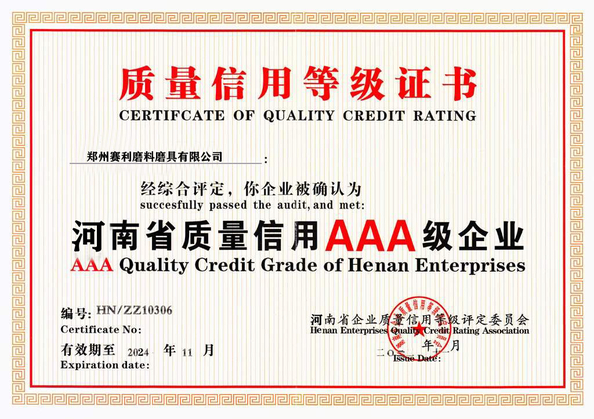
중국 ZHENGZHOU SHINE ABRASIVES CO.,LTD 인증
당신들이 만든 바퀴는 아주 좋고, 바퀴 부러지는 바퀴는 완벽합니다.

—— 캐나다 에서 온 프랭크 로젠

회사 뉴스
Essential Guidelines for Diamond Grinding Wheel Usage and Maintenance in Precision Machining
에 대한 최신 회사 뉴스 Essential Guidelines for Diamond Grinding Wheel Usage and Maintenance in Precision Machining

Introduction

Diamond grinding wheels are indispensable tools in modern precision machining, renowned for their exceptional hardness and wear resistance. However, their superior performance can only be fully realized when proper usage and maintenance protocols are strictly followed. This article presents seven essential guidelines for maximizing the performance and lifespan of diamond grinding wheels, based on industry best practices.

1. Material Compatibility: Know What to Grind

Diamond grinding wheels are specifically designed for processing high-hardness materials such as tungsten carbide, ceramics, glass, stone, and other super-hard substances. They are not suitable for grinding general steel, soft metals, or other ductile materials. When used on inappropriate materials, diamond abrasives can rapidly degrade due to chemical reactions between carbon (diamond) and iron at elevated grinding temperatures, leading to excessive wear and poor grinding results.

2. Proper Mounting and Balancing

After mounting the diamond grinding wheel onto its flange, static balancing is mandatory before operation. An unbalanced wheel can cause vibration, poor surface finish, and accelerated spindle bearing wear. Furthermore, do not remove the wheel from its flange until it is completely used up. Keeping the wheel permanently mounted on its flange helps maintain concentricity, reduces runout, and significantly extends the service life of the grinding wheel.

3. Machine Tool Requirements

The machine tool used with diamond grinding wheels must meet stringent requirements:

  • High rigidity: The machine structure must resist deformation under grinding forces to maintain dimensional accuracy.
  • Superior rotational precision: Spindle runout must be minimal to prevent uneven wheel wear and surface quality issues.
  • Micro transverse feed capability: The machine must support precise micro-infeed adjustments to control material removal rates at the micron level, which is essential for achieving fine surface finishes and tight tolerances.

4. Optimal Grinding Parameters

Selecting appropriate grinding parameters is critical for both efficiency and quality. Key parameters to consider include:

Parameter Recommendation
Wheel Speed 15–25 m/s (varies by wheel specification and workpiece material)
Depth of Cut 0.005–0.02 mm per pass for roughing; 0.001–0.005 mm for finishing
Feed Rate Moderate to low feed rates recommended; excessive feed causes wheel glazing and burning
Work Speed 10–20 m/min for cylindrical grinding; adjust based on specific operation

Always consult the wheel manufacturer's specifications and adjust parameters based on actual grinding conditions.

5. Coolant Application

Coolant should be used whenever possible during diamond wheel grinding operations. Proper coolant application delivers multiple benefits:

  • Improved grinding efficiency and material removal rates
  • Enhanced surface finish quality
  • Reduced wheel wear and extended wheel life
  • Prevention of thermal damage to both workpiece and wheel

The following coolants are commonly recommended:

Coolant Type Performance
Kerosene Best overall choice — excellent lubricity and cooling, widely recommended
Light Diesel Oil Good alternative; adequate lubrication properties
Light Gasoline Acceptable substitute; use with caution due to flammability

6. Wheel Dressing and Truing

New diamond grinding wheels require initial dressing to achieve the correct form and expose sharp cutting edges. The recommended dressing tool is a WA180L5V oilstone, which should be securely clamped in a bench vise during the operation.

During the grinding process, if the wheel becomes dull or exhibits loading (clogging), it can be carefully reconditioned by hand-holding a silicon carbide dressing stick against the working surface of the wheel. Exercise caution and apply light, even pressure to avoid damaging the wheel surface.

7. Storage and Handling

Diamond grinding wheels are precision tools of significant value and must be handled with the utmost care. Adhere to the following storage guidelines:

  • Avoid casual placement: Always store wheels in their original packaging or designated protective containers when not in use.
  • Protect from moisture: Store in a dry environment to prevent bond deterioration and corrosion of the wheel core.
  • Prevent corrosion and chemical exposure: Keep away from corrosive chemicals and vapors that may attack the bond matrix.
  • Avoid impact: Even minor impacts can cause invisible cracks that may lead to catastrophic wheel failure during high-speed operation.
  • Keep away from high temperatures: Excessive heat can degrade the resin or metal bond and affect wheel integrity.

Conclusion

By following these seven fundamental guidelines, manufacturers can significantly improve grinding quality, extend wheel service life, and reduce operational costs. Diamond grinding wheels represent a substantial investment — proper usage, regular maintenance, and careful storage ensure that investment delivers optimal returns through consistent precision and durability.

선술집 시간 : 2026-07-27 08:28:44 >> 뉴스 명부
연락처 세부 사항
ZHENGZHOU SHINE ABRASIVES CO.,LTD

담당자: Mr. Lenny Li

전화 번호: 008615003895611

팩스: 86-371-67129055

회사에 직접 문의 보내기